


Ever since the Artemis program launched on April 1st, I found myself drawn into it, spending hours watching whatever I could find, wondering what those four astronauts must be experiencing as they moved farther away from everything familiar.
There is something unsettling about that thought, to be that far from Earth, held up only by trust in science, in people, and in something you cannot fully control. What struck me was not just how far they were going, but how much time it must have taken to bring an idea into fulfillment, years of building, waiting, and choosing this over everything else. Perhaps space is not distance at all, but time stretched beyond what we have experienced.
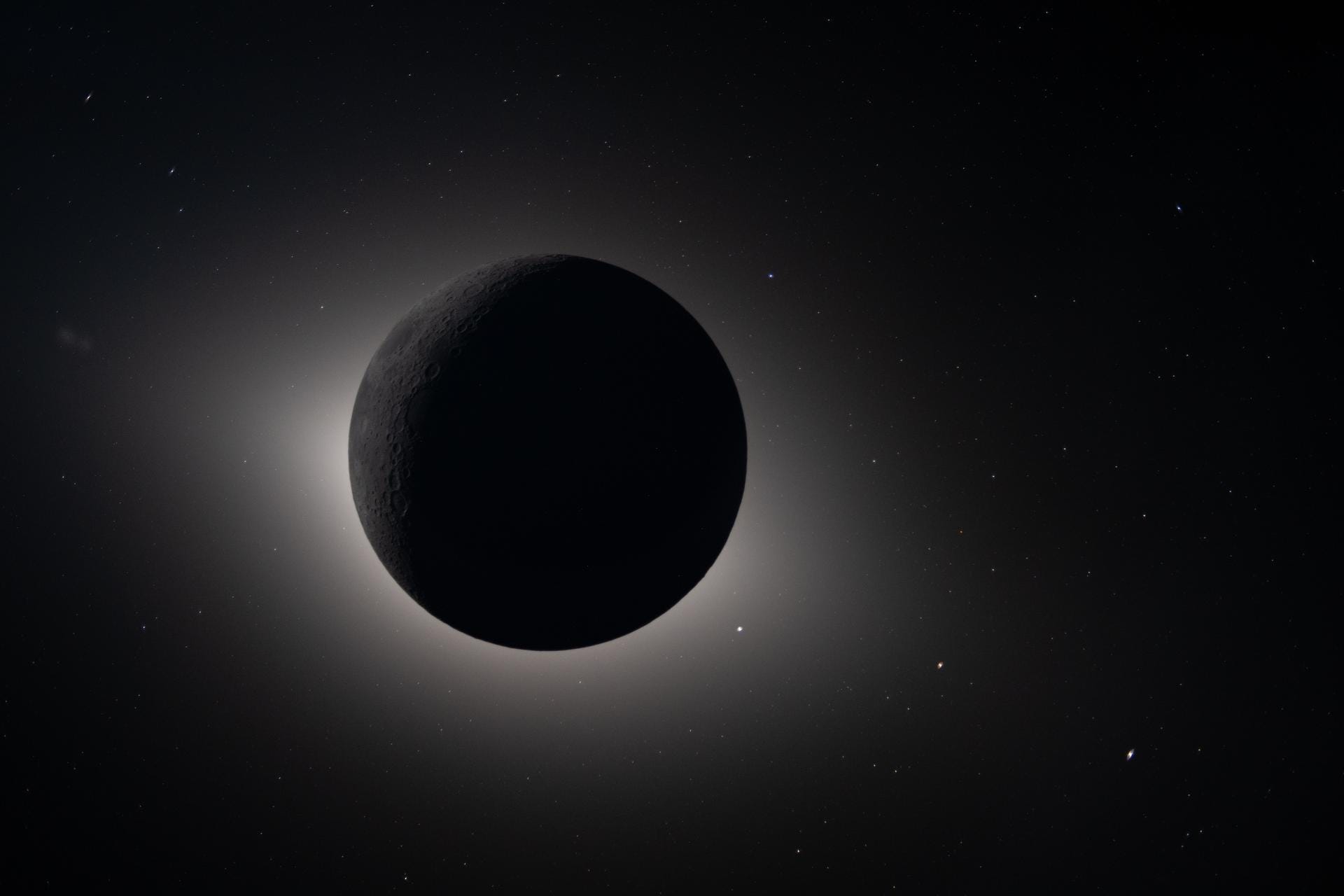
And yet, while they were suspended in space, breaking barriers we once thought impossible, back on Earth, we continued as we always have, moving through another war within the same atmosphere that sustains us.
I found myself looking at both, and not knowing how to feel them at the same time.
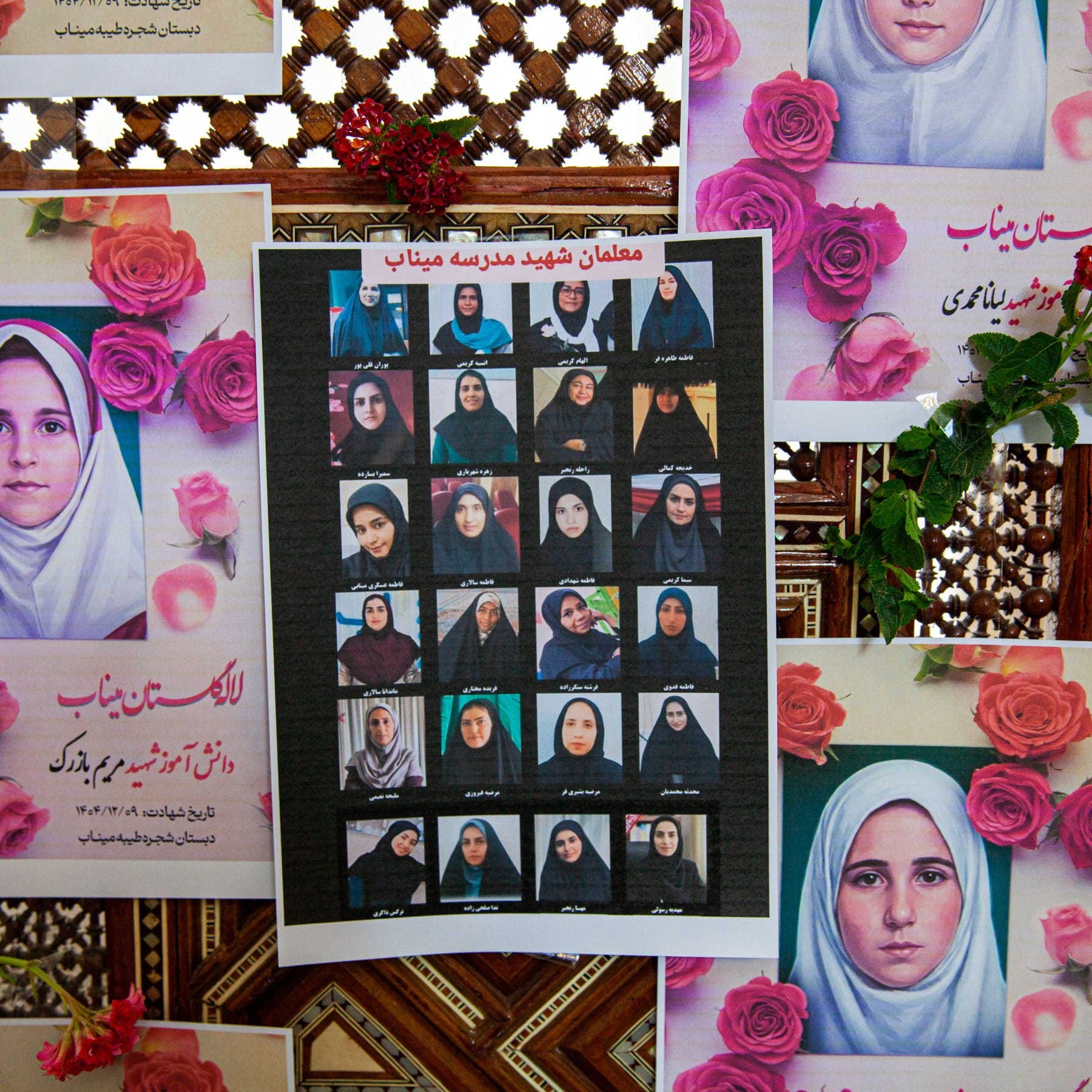
That contrast stayed with me longer than I expected. Somewhere in it, I found myself thinking about human emotions, how we are capable of feeling so deeply, and yet remain unchanged in the present, justifying what we need to when we need to.
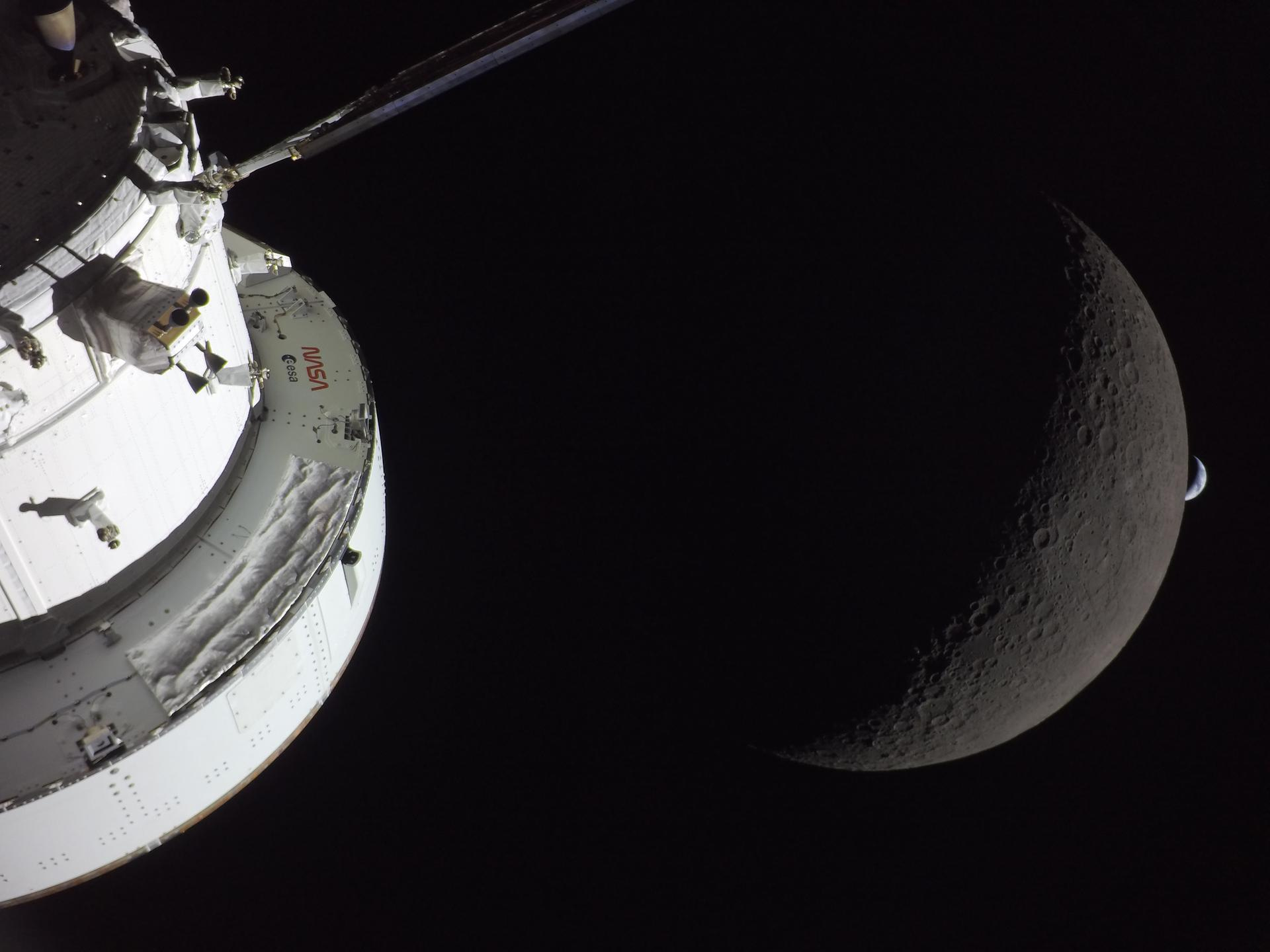
What stayed with me even more was how quickly we move past it, how something extraordinary, or even devastating, has become just another piece of information we scroll past. Somewhere along the way, we stopped having the time to fully feel anything, or perhaps we simply stopped staying with things long enough for them to be felt.
Somewhere along the way, we also began treating time like something we own, translating it into the language of money, something we can save, spend, and invest, as if it behaves like a resource that can be managed with enough discipline and intent. Time feels like an investment, where the way we choose to spend it carries its own risks and rewards, some of which can be measured, while most can only be felt.
This is not a new thought, as ancient texts long before we began measuring time in hours and calendars were already trying to understand what time was doing to us and what it meant to live within it.
I had been thinking about time in abstract ways until it showed up in a way I could not distance myself from.
Last Sunday, I went to sleep with these thoughts, only to be woken up the next morning with the news that a friend had lost her mother. A million thoughts were running through my head about what I should be doing, and I chose to go and meet her after finishing some work.
She was making the hardest decisions of her life.
And somewhere in between, so was I.
I told myself I had enough time to close things at work and still make it to the funeral.
I could not.
And now, that is what I will remember.
Some days feel like they belong more to my calendar than to me. Alarms decide when I wake up, calendars decide what matters, and I move from one scheduled block to another. By the end of it, every minute has been accounted for, and yet almost none of it feels fully lived.
I have caught myself checking the time without needing to, almost as if I am measuring my own life in hours, sitting with nothing immediate to do, and still feeling like I am running out of something I don’t know how much of I have.
We often say time is fair, that everyone gets the same 24 hours. Some people are healing, some are surviving, some are chasing, and some are simply waiting for something to change.
The hours are equal, but their weight is not.
I found that most solutions in modern life revolve around the idea that if time can be managed more effectively, life can be brought under control. The more I think about it, the more it feels like time was never meant to be controlled in the first place.
It was only meant to be observed.
Maybe what we call distance was never out there at all, but time we were yet to live through. And in living through it, something within us was always shifting, even when we did not pause long enough to notice.
Time was never passing us; it was quietly turning us into someone we did not notice becoming.